
Randolph Resident Lookup Record Coverage
Fit the record to the question you are asking. The Morris County Tax Board search ties a recorded owner to a Randolph parcel and its current situs address. For what sits behind that parcel, the Morris County Clerk index supplies recorded parties, instrument dates, and the legal description. Keep one limit in mind. Neither source names every person in a household. Court, voter, probate, vital, business, and license records each anchor identity differently, and each carries its own access rules for a resident lookup.
| Record | Identity point it can confirm | Custodian | Access route |
|---|---|---|---|
| Tax and parcel roll | Recorded owner, parcel, situs, and possible mailing clue | Morris Tax Board / Randolph assessor | Free tax search; parcel card may require a request |
| Recorded instrument | Grantor, grantee, date, consideration, and legal parcel | Morris County Clerk | Free index from 1960; older material at Records Vault |
| Case jacket | Party, venue, docket, caption, and case date | New Jersey Courts | Free public search; files and certified copies use request routes |
| Vital event | Historic relationship, event, or date | NJ State Archives, NJ DOH, or local registrar | Historical indexes differ from restricted current copies |
| Probate, business, or license | Estate role, public entity role, or credential status | Surrogate, DORES, or licensing board | Portal, custodian request, or free verification as applicable |
Match the starting point to the goal. A current property question begins with the parcel. An estate question begins with the decedent and the Morris Surrogate. A public case begins with a party name and its venue. Only after a result's role and date are written down does it earn a place in your lookup notes.
Defining a Randolph Resident Before Searching
Write down the exact last name, first name, middle initial, suffix, former or maiden name, rough age, an associated road or community, and the likely years. Break that into pieces. Capture the legal name, the aliases, and the span. This matters in Randolph. Postal and community names appear differently across records. Ironia, Mount Freedom, Shongum, Center Grove, and Fernbrook all surface in their own ways. Older material may say Randolph Township, Randolph, or Mendham Township. Also weigh what a record can hold. A court party might be an attorney, a business, or a plaintiff. It could also be a defendant, a witness, or a past resident. A tax owner can carry a mailing address far from town. Lean on at least two independent anchors. Block and lot from the parcel roll makes one solid marker. A deed's legal description makes a strong property pairing. A court venue and initiation date can split two same-name people apart. An obituary beside a probate file can tie a decedent to an executor or heir. That discipline keeps a candidate result from hardening into an unsupported identity claim.
- Situs address
- The physical location of the taxable parcel. It is not automatically the owner’s mailing address or a list of occupants.
- Recorded party
- A person or entity named in an instrument, such as a deed or mortgage. The role and recording date matter.
- Identity anchor
- A fact that can be compared across sources, such as a parcel number, venue, date, spouse name, or estate role.
Note: Preserve spelling variants exactly, since a short name search can pull a broad set of unrelated Randolph and Morris County entries.
Randolph Court Results for Resident Lookup
The New Jersey Courts Find a Case service splits its routes into civil, criminal, judgment, tax, and municipal paths. The public eCourts case-jacket interface sits at the center. Choose Search by Docket Number, Search by Party Name, or Search by Judgment there. Party searching offers Individual and Business options. Then enter Last, First, and an optional MI. Keep name length in mind. With first and last names of two characters or fewer, results are exact-name only. Three or more characters in either field widens the net. The result grid shows name, venue, docket number, case caption, and initiation date. Click the docket number before concluding anything. A public entry may reveal proceedings, parties, status, attorneys, orders, and dispositions. The name-result table does not show every filing image, though. Juvenile, sealed, expunged, adoption, and some family information stays excluded or redacted under court-access rules.
- Name: the searched party shown in the result row.
- Venue: the court location that helps distinguish similar names.
- Docket number: the identifier that opens the case jacket.
- Case caption: the public case title and party context.
- Case initiation date: the date that anchors the result in time.
For traffic and parking tickets, the Randolph Municipal Court page sends people to NJMCDirect. It also points to expungement details and record-request instructions. What it does not offer is a way to pull an all-party Randolph search. The court handles one matter at a time. Use its request form for a specific case. Do not try to build a name list from case files.
That same official court page lays out the records and payment routes the township publishes. So it works as the starting point for any Randolph resident lookup that touches a court record.
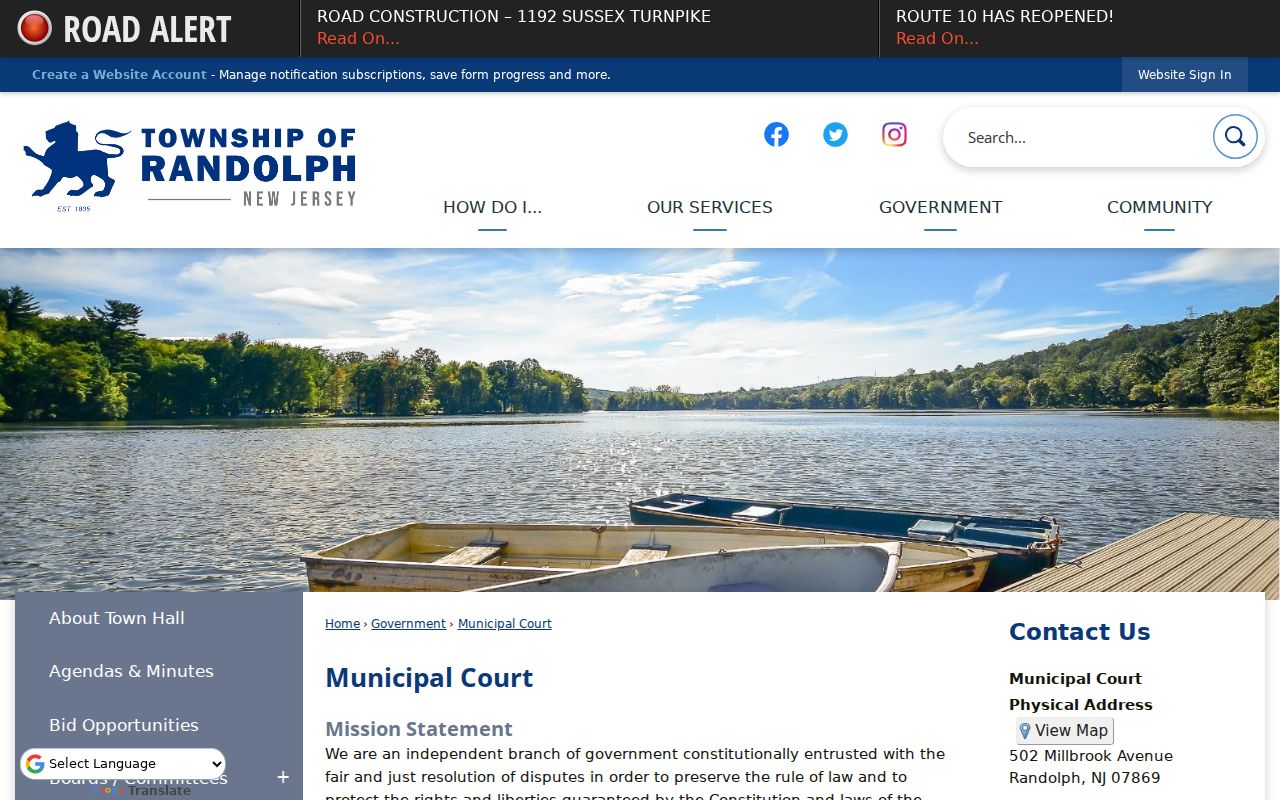
Think of the municipal page as a routing source. The searchable case pathways for a Randolph name inquiry live in the statewide court systems. New Jersey Courts Find a Case displays the official public case-search hub that leads to those separate systems.
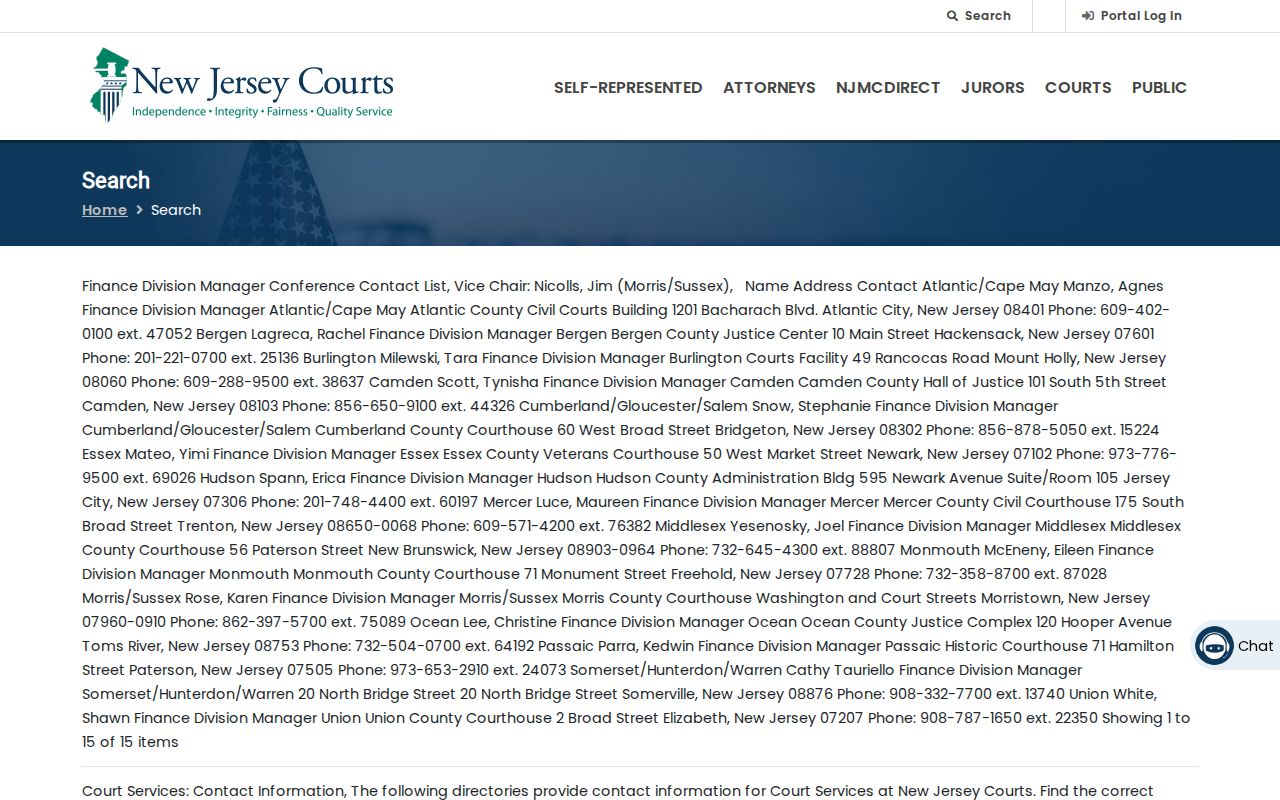
Test each hit with the venue, docket, caption, and initiation date shown on screen. Only then can you say a result belongs to the person in your Randolph lookup.
Verifying a Randolph Resident Lookup Result
Begin with a checkable fact, never an assumption about current residence. A named owner, party, or decedent is only a starting point. The tax roll and deed index build a parcel-based trail. Court records add venue and date. Historical vital indexes, obituaries, and probate serve questions about a past relationship or an estate. They cannot replace restricted current vital records. A resident lookup in Randolph stands strongest when each record confirms the next.
- Search the Tax Board by owner or property location, selecting Randolph Township and the relevant tax year. Record the situs address, block, lot, qualifier, and any prior identifier.
- Search the Clerk’s Party Name tab with the name in last-name, first-name order. Compare the instrument’s legal description and date with the tax parcel.
- Search the court party route using the same spelling plus a venue or date range. Read the docket status or disposition before treating the entry as meaningful.
- When a needed document is restricted or absent online, request the known record from the correct custodian and include the docket, instrument, date, or other specific identifier.
- Docket
- A court’s identifying number for a case. It leads to the case jacket and helps separate similar party names.
- Index versus image
- An index describes a record and points to it. An image is a scan or copy of the record, which may have separate access or fee rules.
- Certified copy
- A custodian-issued copy with formal certification. It is different from a public search result or a watermarked web image.
Voter Status in a Randolph Resident Lookup
An individual can check a registration through the NJ Voter Information Portal. That portal is the state's official status route. Morris County links that tool, plus a separate polling-place search, from its election pages. The portal does not export a block list. A status result covers one voter only. For an actual district list, the rules come from the county, not the status checker.
New Jersey law spells out what a registry list holds. The list includes name, address, date of birth, party affiliation, and voting history. Signatures stay out unless a court orders otherwise. Voting history shows participation, never how anyone voted. District lists carry access limits and a flat ban on commercial solicitation. With a legitimate list-access question, contact the Morris County Board of Elections for current instructions.
For a single registration status in a Randolph resident lookup, the state voter-status page is the route. New Jersey maintains it.
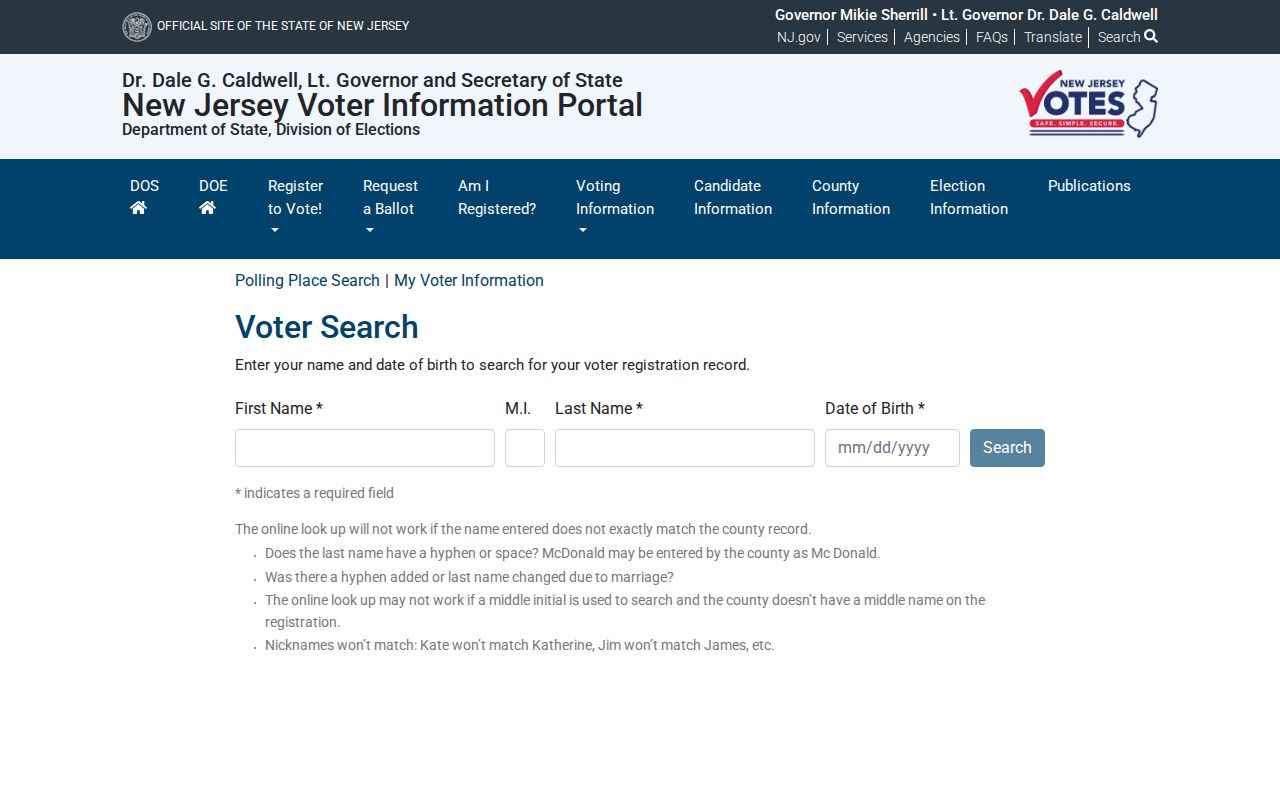
A status match works best as one identity anchor. Pair it with a date and another official record before drawing conclusions about a Randolph household or address.
Note: Address Confidentiality Program participants may use a lawful substitute address, so a physical-address conclusion can be wrong even when a record is otherwise valid.
Vital Records in a Randolph Resident Lookup
Vital records in New Jersey are not a public resident search. The New Jersey Department of Health vital records service is the modern custodian route. Local registrars handle events registered locally. Older material sits with the State Archives. Its indexes cover selected historical marriages and deaths. Its reading room holds additional microfilm. An index hit can confirm an event happened and give a reference number. It is not a certified copy.
Certified copies follow REG-27a, which sorts records by event type and age. The form asks who you are. It also asks your relationship to the subject, the record details, payment, and supporting documents. Eligibility runs to the subject and certain relatives and representatives. It also covers agencies with an official purpose and people acting under a court order. When a current record is closed to you, the listed state or local custodian is the right next step. A workaround is not.
Adoption and birth-parent questions have their own paths. The Department of Health runs official birth-parent, adult-adoptee, and confidential-intermediary programs. Those routes honor the state's confidentiality rules. They also give authorized people a way to reconnect or trace family history.
Probate and Public Roles in Randolph Lookup
A named decedent opens the door. The Morris County Surrogate's Search Probated Estates route takes the search from there. A probate file can surface a will, an executor or administrator, an inventory, or an heir relationship. Getting into the actual file, or ordering certified copies, may require a formal request. Morris also matters for a quirk of history. The State Archives notes its surrogate records were not microfilmed the way most counties' were. The local office therefore carries unusual weight. Do not assign any family relationship on a probate lead alone. Pair it with a dated obituary, an estate deed, or a Clerk instrument.
Business and license searches answer a different question. The New Jersey Business Records Service returns status reports and copies of entity filings. The NJ MyLicense verification service shows a licensee name, number, profession, and status. It also lists a city or state. Neither is a home-address finder. Label a business agent address or license city as a public contact clue. That label is not a residence conclusion.
Randolph Resident Lookup Request Routes
Some records simply are not online. New Jersey's Open Public Records Act, N.J.S.A. 47:1A-1 et seq., gives you a request route to the right custodian. OPRA has a boundary of its own. No office must build a new list or answer a broad question. Morris County takes county requests through its GovQA OPRA process. Randolph municipal records go through the Township Clerk. Court, vital, and probate files follow their own forms and access rules instead.
Precision wins. Give a parcel, instrument number, docket, court division, date, report number. Or give a clear description of the record you want. If a tax card, deed index, court docket, or license entry looks wrong, take the relevant identifier straight to that record's custodian. Bring documentary support too. The Morris Board of Elections corrects voter status. The Clerk Records Vault handles recorded-document problems. Court staff fix docket errors.
Privacy Boundaries for Randolph Resident Lookup
Open records still have edges. OPRA shields social security numbers, unlisted phone numbers, driver-license data, and other exempt personal information. The Driver Privacy Protection Act restricts MVC personal details. Court Rule 1:38 keeps juvenile, sealed, expunged, adoption, and sensitive family records out of ordinary public access. The New Jersey Address Confidentiality Program gives qualifying participants a legal substitute address for future records. Their physical locations stay restricted.
The New Jersey State Police Internet Registry is a narrow public-safety tool under Megan's Law. It is not a general person-search source for a Randolph resident lookup. It posts use warnings. It omits certain registrants entirely. Never infer guilt from a case entry, a registry hit, a charge, or a missing result. Confirm any public record with its custodian, and respect records that are closed on purpose.
The official NJSP registry page itself states that limited route and its use restrictions.
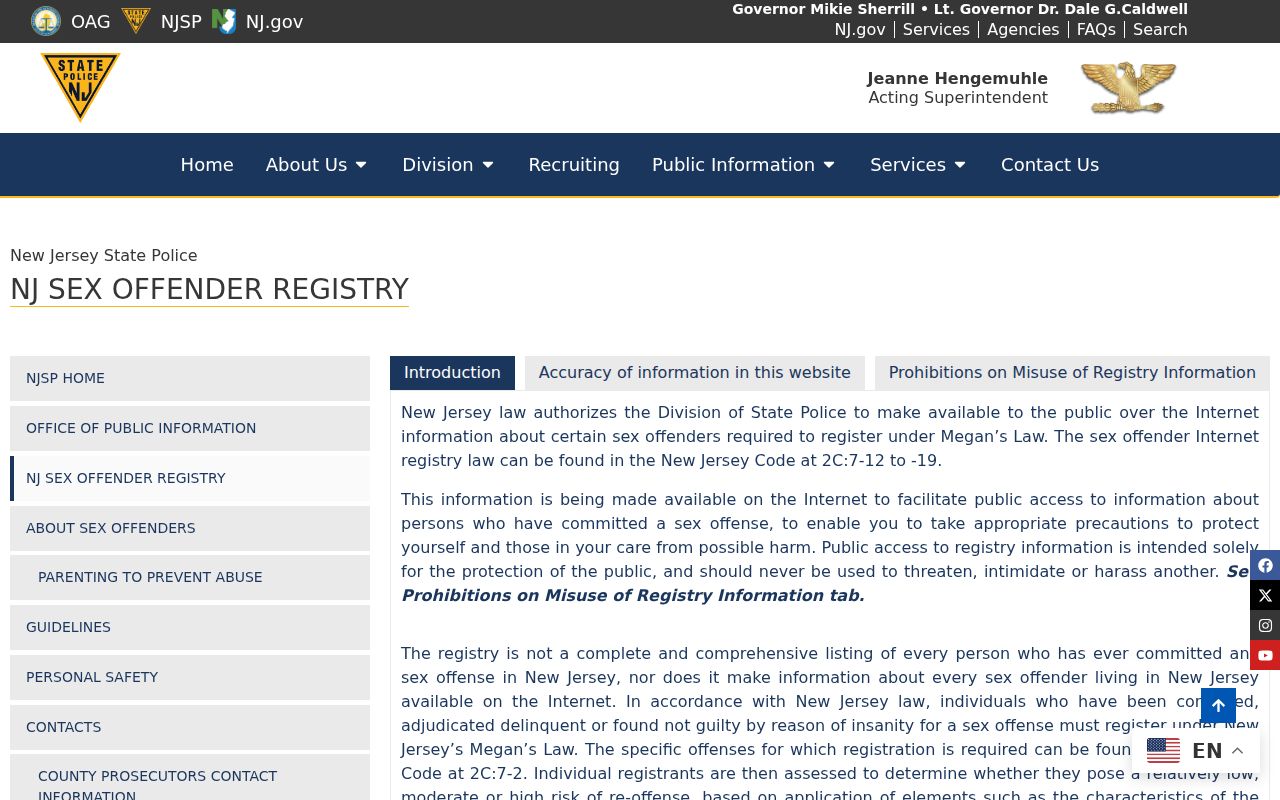
The registry keeps firm limits on what a resident lookup can show. Any Randolph search stays narrow, dated, and anchored to the proper official records office.
Lawful use. Randolph resident research is for personal, lawful purposes such as reconnecting with family, checking an official record, or estate research. Repeated unwanted contact, surveillance, threats, or harassment can violate New Jersey anti-stalking law.